
What Are Panic Disorders?
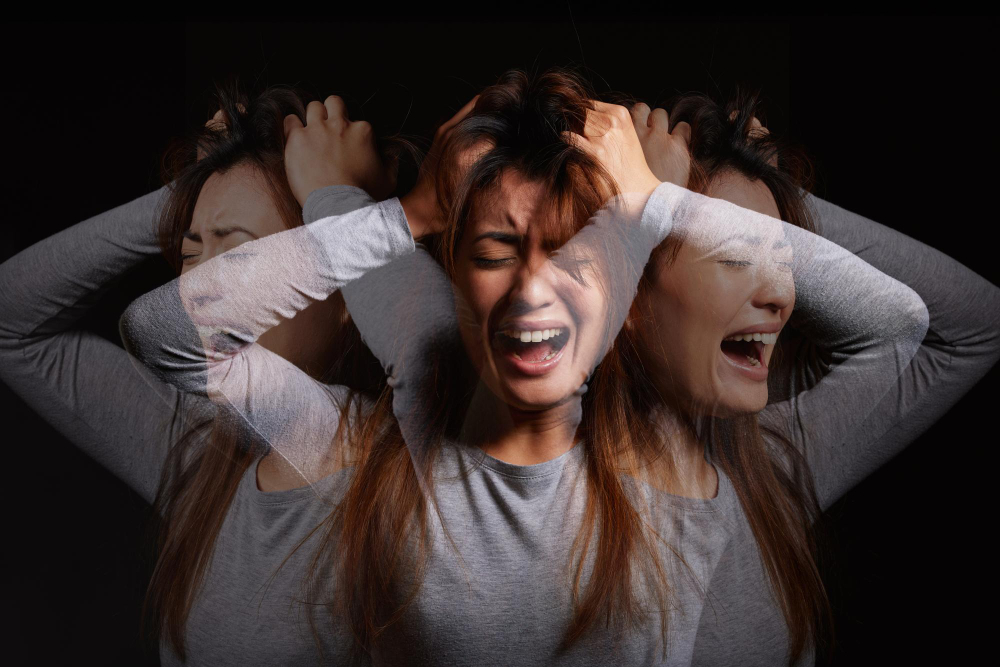
Panic disorders are mental health conditions that cause sudden and repeated panic attacks. These attacks are intense waves of fear or discomfort. Often, they happen without warning. Many people feel out of control during an attack. Because panic disorders can affect daily life, it is important to understand them. According to the CDC, panic disorders are common and treatable.
Common Symptoms of Panic Disorders
Panic disorder symptoms can be scary, but they are not life-threatening. For example, you may feel your heart racing or have trouble breathing. Other symptoms can include:
Sometimes, people avoid places where they had a panic attack. This can limit daily activities. However, recognizing these symptoms early can help you seek support.
Causes and Risk Factors
While the exact cause of panic disorders is not clear, several factors may play a role. For instance, genetics can increase your risk. If a close family member has panic disorders, you may be more likely to develop them. In addition, stressful life events, such as losing a loved one, can trigger panic attacks. Other risk factors include:
Because many factors can contribute, it is important to talk to a doctor if you notice symptoms.
Diagnosis Process
Doctors use several steps to diagnose panic disorders. First, they ask about your symptoms and medical history. Then, they may perform a physical exam to rule out other health problems. Sometimes, blood tests or heart tests are needed. If no physical cause is found, your doctor may refer you to a mental health specialist. The specialist will use guidelines from the DSM-5, a manual for mental health conditions. Early diagnosis can lead to better treatment outcomes.
Treatment Options for Panic Disorders
Treatment for panic disorders often includes therapy, medication, or both. Many people find relief with these options. For example, cognitive-behavioral therapy (CBT) helps you change negative thoughts and behaviors. In addition, medications such as antidepressants or anti-anxiety drugs can reduce symptoms. Your doctor will help you choose the best plan. Common treatments include:
Because each person is different, treatment plans may vary. Always follow your doctor’s advice for the best results.
Lifestyle Tips for Managing Panic Disorders
Along with medical treatment, lifestyle changes can help you manage panic attacks. For instance, regular exercise can lower stress. Also, practicing deep breathing or meditation can calm your mind. Here are some helpful tips:
Although these steps may not prevent all attacks, they can make symptoms less severe. Over time, healthy habits can improve your quality of life.
Prevention Strategies
While it may not be possible to prevent panic disorders completely, you can lower your risk. For example, managing stress early can help. In addition, seeking help for anxiety or depression may prevent panic attacks. Try these prevention strategies:
Because early action is key, do not ignore warning signs. If you notice changes in your mood or behavior, reach out to a healthcare provider.
Conclusion
Panic disorders can be challenging, but help is available. With the right treatment and support, many people manage their symptoms well. If you or someone you know is experiencing symptoms of panic disorders, consult a mental health specialist Dr. Buddhaditya Padhi for personalized guidance.